How to Do a No-Spend Challenge as a Family
A no-spend challenge is a set period, often a weekend, a week or a month, when you buy only essentials you’ve agreed on in advance and nothing else. To do one as a family, write two lists (what’s allowed and what isn’t), pick a length, plan free things to do, and decide ahead of time what happens to the money you don’t spend.
It’s one of the quickest ways to see where your money actually goes, and it resets the “we’ll just grab it” habit for everyone in the house, kids included. This guide walks you through the rules, a planning checklist, and how to keep it fun.

How does a no-spend challenge work?
You’re not trying to stop spending altogether. Rent, groceries and the power bill still get paid. What stops is the optional spending: takeout, online orders, “fun” trips to the store, new clothes, toys and gadgets.
The challenge works because it takes hundreds of little decisions off the table. Instead of asking “should I buy this?” every day, the answer for the length of the challenge is already “not right now.” That pause is the same idea behind the waiting periods and questions in our main guide, How to Stop Impulse Buying: Questions to Ask Before You Buy.
No-spend challenge rules: the essentials list and the not-now list
The most important step is writing your rules down before you start. Sit down together and make two lists.
| Allowed (essentials) | Not now (non-essentials) |
|---|---|
| Rent or mortgage, utilities, insurance, loan payments | Takeout, delivery and coffee runs |
| Groceries from a list | Snacks and extras not on the list |
| Fuel and transit for work, school and appointments | Recreational drives and outings that cost money |
| Medicine, prescriptions, doctor visits | Clothes, shoes and accessories (unless outgrown or broken and needed now) |
| Basic toiletries and cleaning supplies once they run out | New toys, books, games and apps |
| School fees and costs already committed | Home decor, gadgets and hobby supplies |
| Pre-planned gifts for birthdays in the challenge window | Subscriptions you can pause |
A few rules keep the lists honest:
- Replace only what runs out. Shampoo can be bought when the bottle is empty, not because there’s a sale.
- Set a rule for exceptions. Something will come up. Agree on how you’ll decide: for example, both parents must agree and it must wait 24 hours unless it’s urgent.
- Decide on gifts and events in advance. If there’s a birthday party in the window, buy or make the gift before you start, or add it to the allowed list with a set amount.
- Say how you’ll handle groceries. Some families keep a normal grocery budget. Others turn it into a “pantry challenge” and cook from what they have, buying only fresh basics like milk and produce.
How long should a no-spend challenge be?
Start shorter than you think. A win you finish beats a month you abandon on day nine.
- No-spend weekend: Great for a first try, especially with young kids. Plan the weekend’s meals and free activities on Friday.
- One-week no-spend challenge: Long enough to feel the habit shift, short enough to stay motivated. A good choice for a family’s first “real” challenge.
- Two weeks: A nice middle step, and it often lines up with a pay period.
- 30-day no-spend challenge (a month): The classic version. Plan extra free activities for the middle weeks, once the novelty has worn off.
- Longer challenges (90 days, a year): These are usually “no-buy” challenges focused on one category, like clothes or toys, rather than every optional expense.
Another option is no-spend days: pick two or three days each week when nobody spends anything at all, and let the rest of the week run as normal.
Your family no-spend challenge planning checklist
Work through this a few days before you begin.
- ☐ Pick your length and your start date (avoid weeks with big birthdays or trips).
- ☐ Write the “allowed” and “not now” lists together and post them on the fridge.
- ☐ Agree on your exception rule.
- ☐ Look at the calendar for events, parties and school costs in the window.
- ☐ Shop the week’s groceries from a list before day one.
- ☐ Plan simple meals so takeout isn’t the easy option on busy nights.
- ☐ Unsubscribe from store emails and turn off shopping notifications.
- ☐ Remove saved cards from shopping sites and delete store apps for the challenge.
- ☐ Pause any subscriptions you won’t use.
- ☐ Make a list of free things to do (see below).
- ☐ Set up a way to track it: a paper calendar where you cross off each no-spend day works well for kids.
- ☐ Decide what you’ll do with the money you save.
How to do a no-spend challenge with kids
Kids are much more likely to cooperate with rules they helped make.
Explain it simply. “For the next week, we’re not buying anything extra. We still get groceries and everything we need. We’re going to find fun things to do that don’t cost money, and at the end we’ll decide together what to do with the money we saved.”
Give them jobs. A younger child can put a sticker on the calendar for every no-spend day. An older child can keep the “want list” (see below) or plan one free outing.
Keep a family want list. When someone wants something during the challenge, it goes on the list with the date. At the end, look at it together. Some items will still be wanted. Many won’t. That’s a lesson no lecture can teach.
Include their money. Decide whether kids’ own allowance or gift money is part of the challenge. For older kids, joining in voluntarily can be a great experience; forcing it usually isn’t.
Try the teenager test. Andrea wrote three questions as a teenager to ask before buying anything: “Do I actually need this, or have I been deceived?” “What if I didn’t buy this?” and “Does this add value to my life?” Put them on the fridge next to your rules. They work just as well for a seven-year-old’s toy request as for a parent’s online cart.
Free things to do instead of spending
Boredom is the number one challenge breaker. Plan your free options before you need them.
At home
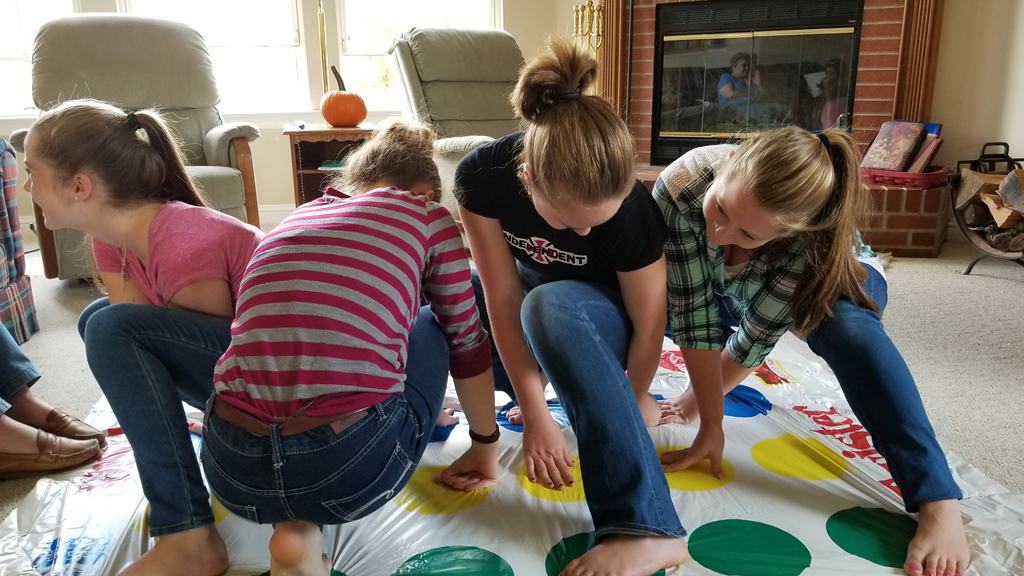
- Family game night with games you already own
- Build a blanket fort and read aloud
- Bake from pantry ingredients
- Have a movie night with a film you already have access to and popcorn
- Do a “declutter race”: ten minutes, one room, see who finds the most to donate
- Try a craft using only what’s in the craft bin
- Put on a talent show or a family play
Out and about
- Visit the public library for books, movies and free events
- Go to a park, trail, beach or conservation area you haven’t tried
- Look up free museum days and free community events in your area
- Have a picnic from home
- Go on a nature scavenger hunt or a neighborhood photo walk
- Ride bikes or play a pickup game at a school field
Things that feel like treats
- Breakfast for dinner
- A backyard or living-room “campout”
- A swap with friends: clothes, books or toys your kids have outgrown
Our family started minimizing in 2016 because we wanted more free time, travel and play, and less time looking after stuff. A no-spend challenge is a small taste of that trade: fewer purchases, more time together.
What to do if you slip
You’ll probably slip at least once. Everyone does. Here’s how to handle it:
- Don’t quit. One purchase doesn’t cancel the challenge. Mark the day and keep going.
- Find the trigger. Were you tired, rushed, bored, or at the store without a list? Write it down.
- Fix the gap. If takeout happened because dinner wasn’t planned, plan two easy backup meals.
- Return it if you can. If the item isn’t used and the store allows returns, that’s an option.
- Adjust the rules if they were unrealistic. A rule that no one can follow isn’t helping. Change it for the rest of the challenge and note it for next time.
What to do with the money you save
Decide this before you start, so the saved money doesn’t quietly drift back into spending.
- Move it right away. At the end of each week, transfer what you’d normally spend on “not now” items into savings.
- Pick one goal. An emergency fund, paying down a balance, or a family experience you’d all enjoy.
- Let kids see it. A jar with coins or a simple chart makes the savings real for younger children.
- Plan a free or low-cost celebration when you finish.
If you’d like help building a budget after your challenge, the Financial Consumer Agency of Canada has a free Budget Planner and a guide to making a budget. In the US, the Consumer Financial Protection Bureau offers a free printable spending tracker. This is general information, not financial advice; for your own situation, talk to a qualified professional.
After the challenge: keep what worked
When the challenge ends, look back together:
- What was hardest? What was easier than expected?
- What did we not miss at all?
- What’s still on the want list, and does it pass the three questions?
Keep one or two habits going. Many families keep no-spend days, the want list, or a one in, one out rule so new things don’t pile up again.
Common questions
Whatever you and your family agree on before you start. Most people include housing, utilities, insurance, debt payments, groceries from a list, fuel or transit, medicine and basic toiletries once they run out. Write the list down so there’s no arguing mid-challenge.
Yes, in most versions. Groceries are usually on the allowed list, bought from a list and within your normal budget. Some families add a “pantry challenge” and cook from what they already have, buying only fresh basics.
A no-spend challenge usually covers all optional spending for a short time. A no-buy challenge usually targets one or two categories, such as clothes or toys, and often runs longer, like three months or a year.
It can be, if they help make the rules and it’s framed as a family project rather than a punishment. Keep it short the first time, plan free activities, and let them help decide what to do with the savings.
Free printable
Declutter in a Weekend
Eight 45-minute sessions, Saturday and Sunday, as a two-page checklist. We'll also send a few short emails with our best family minimalism guides. Unsubscribe any time.
The form didn’t load in your browser (ad blockers and privacy settings can block it). Open the signup form in a new tab.
Nothing happens when you press the button? Sign up on our MailerLite page instead.