Toy Rotation: An Easy System That Works
This post contains Amazon affiliate links. As an Amazon Associate we earn from qualifying purchases, at no extra cost to you. How we choose what to link.
Toy rotation means keeping only a small number of toys out and storing the rest, then swapping some every week or two. It works for many families because kids see “new” toys without you buying anything, play longer with what’s out, and tidying takes minutes. Here’s an easy system you can set up in an afternoon.
It’s especially helpful for toddlers and preschoolers, and for any home where the toys have taken over. It fits into our bigger guide to minimalism with kids. If you haven’t cleared out the broken and outgrown toys yet, start with how to declutter toys first. Rotation works best with toys worth keeping.

Does toy rotation work?
There’s some good evidence behind the idea, though it’s limited.
In a 2018 study published in Infant Behavior and Development, researchers at the University of Toledo watched 36 toddlers, aged 18 to 30 months, play on their own in a playroom lab. Each child had two 15-minute sessions: one with 4 toys, one with 16. With 4 toys, the toddlers played with each toy for longer and used the toys in more different ways. With 16, many moved quickly from toy to toy.
It’s a small study, in a lab, over short sessions, so it doesn’t prove what happens in your living room over months. But it fits what many parents notice: too many choices, and kids flit. The lead researcher’s advice was practical. If your child gets lots of toys, you don’t have to put them all out at once. Save some and swap them out later.
Signs rotation is working at your house:
- Your child plays with one thing for longer.
- Old toys get excitement when they come back.
- Clean-up takes 5–10 minutes.
- You stop feeling the urge to buy something new to fix boredom.
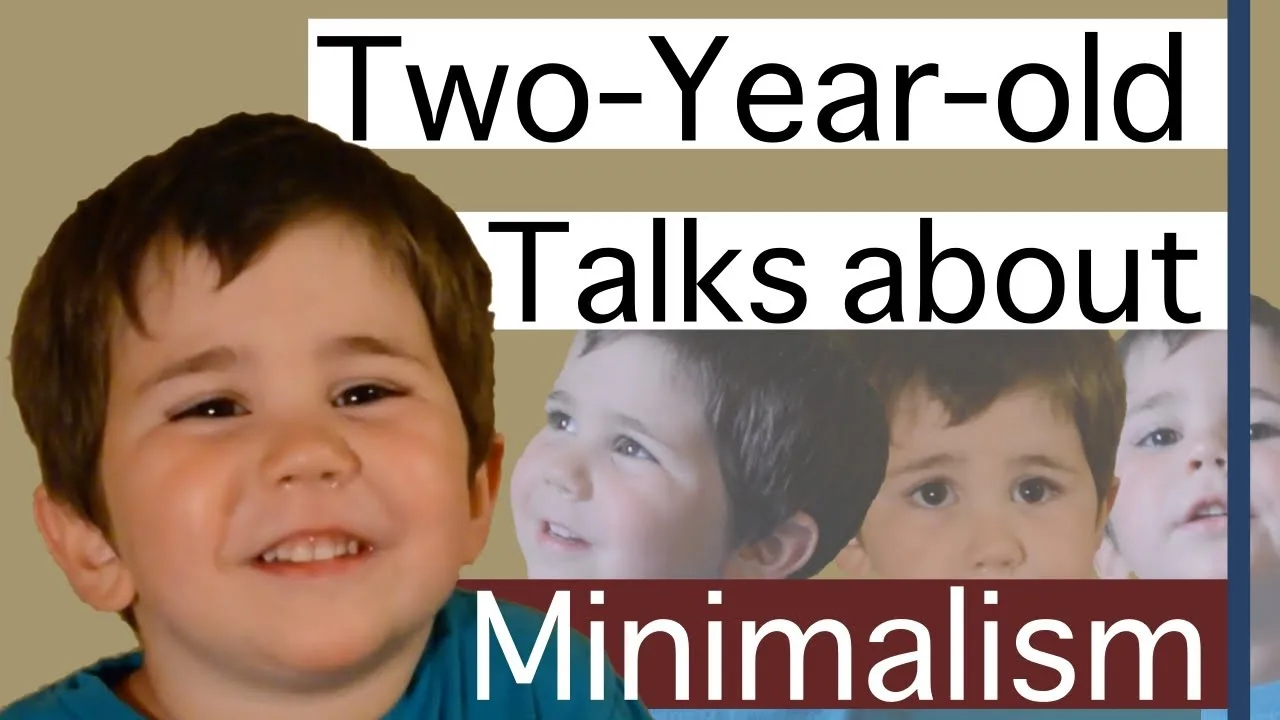
Watch our video: 2 Year Old Talks About Minimalism.
An easy toy rotation system (5 steps)
- Declutter first. Remove broken, incomplete and outgrown toys. Rotation isn’t storage for junk.
- Sort what’s left into categories. For example: building, pretend play, vehicles, puzzles and games, art and craft, books, active toys, music and sensory.
- Make “sets.” Divide the toys into 3–5 bins, each with a mix from different categories. One bin is out; the others go into storage.
- Store bins out of sight. A closet shelf, under a bed or the garage. Kids shouldn’t see the stored toys or they’ll ask for everything at once.
- Swap on a schedule. Every 1–2 weeks for toddlers, every 2–4 weeks for older kids. Swap part of the shelf, not all of it, and keep favorites out.
How many toys to put out
There’s no official number. These are sensible starting points:
| Age | Toys out at once | How often to swap |
|---|---|---|
| Babies (6–12 months) | 4–6 | Weekly |
| Toddlers (1–3) | 6–10 | Every 1–2 weeks |
| Preschoolers (3–5) | 8–12 | Every 2 weeks |
| School-age (6+) | Whatever fits their shelf, plus building sets and art supplies always available | Monthly, or let them choose |
Count a set (a bin of blocks, a train set, a tub of play food) as one toy. Books usually stay out in greater numbers, but they can rotate too.
Toy rotation by age
Toy rotation for babies and 1-year-olds
- Keep 4–6 toys in a basket or on a low shelf.
- Mix textures and actions: something to grasp, something to bang, something to stack, a board book, a ball.
- Swap weekly, or sooner if interest drops.
Toy rotation for 2- and 3-year-olds
- Put 6–10 toys on a low, open shelf, one toy per spot, so they can see everything.
- Include at least one from each of: building, pretend play, a puzzle, something to push or ride, books, and art or play dough.
- Keep small-part toys out of reach. The US Consumer Product Safety Commission warns that children under 3 can choke on small parts.
- Swap every 1–2 weeks. Keep the lovey and the one toy they ask for every day out permanently.
Toy rotation for 4- and 5-year-olds
- Let them help pick the swap: “Which bin should come out this week?”
- Rotate themes: a “construction week,” a “shop and kitchen week,” a “dinosaur week.”
- Keep open-ended toys (blocks, building bricks, dress-up, art supplies) available all the time.
Toy rotation for school-age kids
At 6 and up, many kids are ready to manage their own. Instead of you controlling the swap:
- Give each child a shelf or a few bins.
- Keep a “library” bin in the closet they can trade from, one out, one in.
- Keep big sets and collections out, since kids this age return to them for long projects.
Toy rotation with multiple kids
Siblings add complexity, but the idea is the same:
- Shared toys: Rotate one shared shelf in the main living space.
- Personal toys: Each child has a small bin or shelf that doesn’t rotate unless they want it to. This avoids “you took my toy” fights.
- Mixed ages: Keep small-piece toys for older kids in a lidded bin up high or in their room.
- Label bins by child and set (“Shared: Set 2”) so swaps take two minutes.
What if toy rotation isn’t working?
Common problems and fixes:
- Too many toys still out. Cut the shelf in half. Most families start with too many.
- Swapping everything at once. Leave favorites out and change a third to half of the shelf.
- Kids can see the storage. Move it higher, into a closet, or into opaque bins.
- It’s too much work. Use fewer, bigger bins and swap less often. A monthly swap still beats no swap.
- New toys keep flooding in. Put new gifts straight into the rotation, and try one in, one out. Our guide to clutter-free gifts for kids has ideas to share with relatives.
- Nobody plays with a toy even when it’s “new.” That’s your answer. It goes in the donate box.
Printable toy rotation plan
- ☐ Declutter broken, incomplete and outgrown toys
- ☐ Sort the rest into categories
- ☐ Split into 3–5 mixed bins and label them (Set 1, Set 2…)
- ☐ Put one set out on a low, open shelf
- ☐ Store the other sets out of sight
- ☐ Pick a swap day (for example, every other Sunday evening)
- ☐ Keep favorites and comfort toys out all the time
- ☐ After each swap, note what didn’t get played with
- ☐ Anything ignored for two full rotations goes to the donate box
- ☐ New gifts go into a bin, not straight onto the shelf
Common questions
Every 1–2 weeks works well for toddlers. Preschoolers can go about 2 weeks, and older kids monthly. If your child is still deep into the current set, wait. If they’re bored after a few days, swap sooner.
It’s most useful from babyhood to about age 5. School-age kids can keep rotating, but they usually do better choosing for themselves from a “library” bin.
No. It’s a tool, not a rule. If your child has few toys and plays happily, you may not need it. It helps most when there are more toys than space, or when kids seem bored in a room full of stuff.
Use a few bins that fit under a bed or on a closet shelf. Fabric bins or lidded boxes work. The key is that stored toys are out of sight.
Free printable
Declutter in a Weekend
Eight 45-minute sessions, Saturday and Sunday, as a two-page checklist. We'll also send a few short emails with our best family minimalism guides. Unsubscribe any time.
The form didn’t load in your browser (ad blockers and privacy settings can block it). Open the signup form in a new tab.
Nothing happens when you press the button? Sign up on our MailerLite page instead.