How to Declutter Sentimental Items (Without the Guilt)
This post contains Amazon affiliate links. As an Amazon Associate we earn from qualifying purchases, at no extra cost to you. How we choose what to link.
To declutter sentimental items, leave them until last, set a limit before you start (like one memory box per person), and keep the few pieces that tell the story best. Photograph, repurpose or pass on the rest. You’re not throwing away the memory. You’re choosing which things carry it.
This guide is for anyone who has stood over a box of old cards or a stack of kids’ drawings and simply closed the lid again. We’ll go through photos, artwork, schoolwork, cards, inherited items and clothes, one at a time.
Why sentimental items are the hardest to declutter
A spatula is just a spatula. But a baby blanket, your grandmother’s teacups or a birthday card in a handwriting you’ll never see again? Those feel like the person or the moment itself. Letting go can feel like losing it twice.
It helps to remember three things:
- The memory lives in you, not the object. You’ll still remember that first birthday without the party hat.
- A few things honor a memory better than a pile. One special drawing in a frame gets seen. Two hundred in a box in the basement don’t.
- Keeping everything means none of it is special. When sentimental things are crammed into bins, you can’t find or enjoy the ones that matter most.
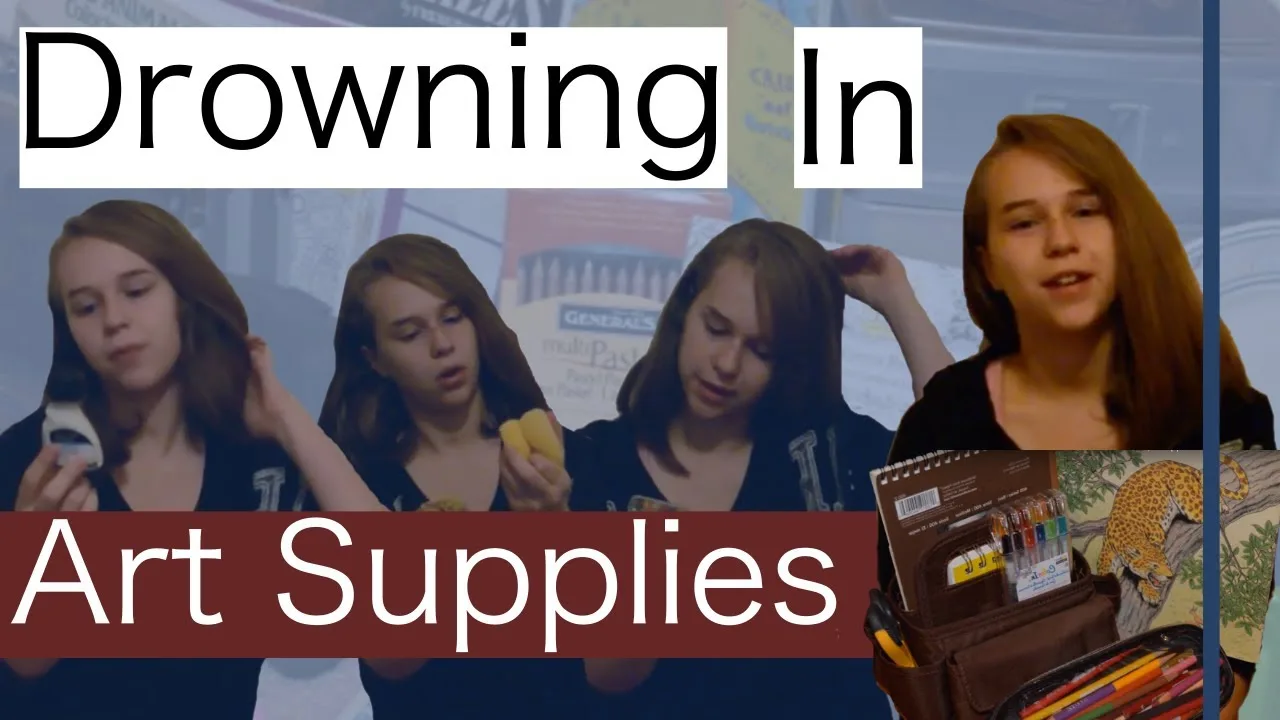
Watch our video: How To Declutter Craft Supplies.
Start somewhere else first
Here’s the best advice we have, and it comes from Andrea, who wrote about it as a teenager. When they started decluttering their own things, they decided that anything they felt attached to should wait “until the end,” once they had developed the right attitude about getting rid of stuff. In the meantime, they started with things that meant nothing to them.
That order works for grown-ups too. By the time you’ve cleared the bathroom, the kitchen and your closet, you’ve made hundreds of small decisions. Letting go gets easier with practice. If you haven’t started anywhere yet, begin with our guide to where to start decluttering when you feel overwhelmed, and come back here later.
They also wrestled with something many of us feel: not wanting to get rid of “perfectly good stuff.” They asked themselves whether an item was really good, or whether they only thought so because of a sentimental attachment. That’s a brave question, and a useful one.

Before you start: set your limits
Decide the rules before you open the first box. It’s much easier than deciding item by item.
- One memory box per person. A single lidded box or bin, about the size of a banker’s box, for each family member. When it’s full, something has to leave before something new goes in.
- One small box per child per school year for artwork and schoolwork, or one folder if you prefer.
- Display, don’t store. If something is precious, find a way to see it: frame it, use it, wear it.
- Short sessions. Twenty minutes at a time is plenty. Sentimental decluttering is tiring. Stop before you’re drained.
- Pick a time with no deadline. Don’t do this during a rushed move if you can help it.
How to declutter photos
Photos are usually the biggest category and the easiest to shrink without losing anything.
- Gather every print into one place: albums, envelopes, frames, drawers.
- Toss the obvious ones first: blurry shots, duplicates, photos of scenery you can’t identify, pictures with nobody you know.
- Keep the best one of each moment. Five nearly identical shots of the same birthday cake? Keep one.
- Pass on photos of other families to the people in them. They’ll love having them.
- Scan or photograph the keepers and save the files in two places (for example, a computer and a cloud account).
- Keep a small album or box of favorite prints you’ll actually look at.
Don’t forget digital photos. Delete blurry shots and screenshots as you go, and make one “favorites” album per year.
How to declutter kids’ artwork and schoolwork
Kids produce a lot of paper. This is one of the most-searched decluttering questions for a reason.
- Use a “display then decide” spot. New artwork goes on the fridge or a wall for a week or two. When something new arrives, the older piece gets decided.
- Let your child choose. Ask, “Which one are you proudest of?” Kids are often less attached than we are.
- Keep a few favorites per year in their memory box or school-year folder.
- Photograph the rest. Take a photo of your child holding their artwork. That’s often a better memory than the paper itself.
- Make it into something. Scan a year’s worth into a photo book, use large paintings as wrapping paper for grandparents’ gifts, or send favorites to relatives.
- Schoolwork: keep report cards, a sample of their writing and a piece of math each year that shows their handwriting and progress. Recycle worksheets.
Declutter kids’ art supplies too
Art supplies are sentimental in a different way: they feel like potential. Test markers and pens and toss dry ones. Melt broken crayons into new ones as a craft, or let them go. Keep one caddy or bin of supplies, and pass extra coloring books, stickers and craft kits to a school, daycare or community center that accepts them.
How to declutter sentimental cards and letters
- Keep cards with meaningful handwritten messages. A card with only a printed message and a signature can go. A letter from your grandfather stays.
- Photograph the ones in between. A quick photo keeps the message.
- Recycle store-bought sentiment. The printed poem inside isn’t what made it special.
- Wedding and baby cards: keep a handful of the most personal ones in your memory box.
- Repurpose card fronts as gift tags or a craft project.
How to declutter inherited items
Inherited things carry love, grief and often guilt. Go gently.
- Keep what you use or love. Use Grandma’s mixing bowl. Display one teacup on a shelf.
- Ask family first. A cousin may treasure the thing you’re keeping out of guilt.
- Keep one, not the set. One plate from the china set, one tool from the workbench.
- Write down the story. A note about who owned it and what it meant can matter more than the object. Tape it to the item you keep, or add it to the memory box.
- Give with purpose. Some items might help someone else: a museum, historical society, school or place of worship may welcome certain pieces. Call first.
- Get it valued if you think it might be worth something before donating or selling.
How to declutter sentimental clothes
- Keep a piece, not the wardrobe. One baby outfit per child, one favorite sweater, one team jersey.
- Repurpose. Old T-shirts or baby clothes can be made into a quilt or a pillow cover. Sew it yourself or find a local quilter.
- Pass on wearable clothes. A family member, a friend with a new baby, or a donation center.
- Wedding dresses and special outfits: keep them if you truly want to, but store them properly, or consider selling or donating them to someone who can use them.
Gentle alternatives to throwing things away
If “throw it away” makes your stomach drop, you have options:
- Photograph it, then let it go.
- Repurpose it into something you’ll use.
- Pass it on to family, friends or someone who needs it.
- Donate it to a charity, school or community group.
- Display it instead of storing it.
- Write the story down, keep the note, release the object.
Our family’s Yes, No, Maybe questions help here too. “Maybe” means an item might not add value to my life, but it might add value to someone else’s. That’s a gentle way to see letting go: it’s giving.
Sentimental decluttering checklist
- ☐ Declutter everything else first
- ☐ Set a limit: one memory box per person
- ☐ Choose one small box or folder per child per school year
- ☐ Book 20-minute sessions, no deadlines
- ☐ Photos: toss blurry and duplicates, keep the best of each moment
- ☐ Scan keepers and save in two places
- ☐ Artwork: display, then keep a few favorites and photograph the rest
- ☐ Schoolwork: report cards and one writing sample per year
- ☐ Art supplies: test, toss dry ones, keep one caddy
- ☐ Cards: keep meaningful handwritten ones, photograph the rest
- ☐ Inherited items: ask family first, keep what you use or love
- ☐ Clothes: keep one piece, repurpose or pass on the rest
- ☐ Write down the stories behind the things you keep
Common questions
Start with things that aren’t, and build your decluttering habit there. When you come back, set a firm container limit first, then choose favorites to fill it rather than deciding what to get rid of.
No. The memory doesn’t live in the object. Keeping a few meaningful pieces, and photographing or passing on the rest, often honors a memory better than a box nobody opens.
There’s no right number, but a few favorites per child per year fits comfortably in a school-year folder. Photograph the rest, and let your child help choose.
Free printable
Declutter in a Weekend
Eight 45-minute sessions, Saturday and Sunday, as a two-page checklist. We'll also send a few short emails with our best family minimalism guides. Unsubscribe any time.
The form didn’t load in your browser (ad blockers and privacy settings can block it). Open the signup form in a new tab.
Nothing happens when you press the button? Sign up on our MailerLite page instead.